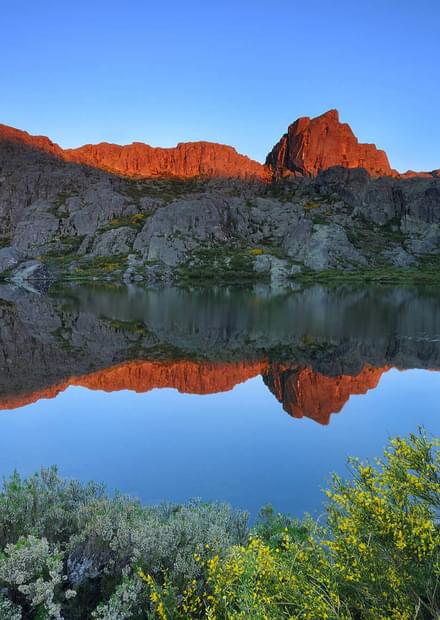
Ce roman se déroule pendant la Seconde Guerre mondiale et dresse un portrait saisissant d’un pays appauvri, dominé par une dictature et des inégalités sociales profondément enracinées. A Lã e a Neve est un témoignage émouvant de l’identité culturelle de la région montagneuse de la Serra da Estrela, ainsi qu’une œuvre de référence de la littérature portugaise.
L'intrigue suit le parcours d'Horácio, un berger de Manteigas qui rêve de pouvoir un jour acheter la maison de ses rêves pour y vivre avec sa famille, jusqu'à ce qu'il devienne tisserand dans une usine de Covilhã et soit confronté à la dure réalité de la vie ouvrière.
Se déroulant dans les années 1940, l’œuvre met en lumière les montagnes isolées et les conditions de vie précaires des montagnards, ainsi que l’apogée du monde industriel et textile à Covilhã, où le travail devient une revendication sociale majeure.
Ferreira de Castro nous confronte à la quête incessante d’hommes et de femmes en quête de meilleures conditions de vie, dans l’espoir qu’un jour le « nouveau monde » auquel ils aspirent tous devienne réalité.
Un regard approfondi sur la lutte complexe de ceux qui ne souhaitent qu’une chose: trouver leur place. Une quête d’une place légitime dans le monde.

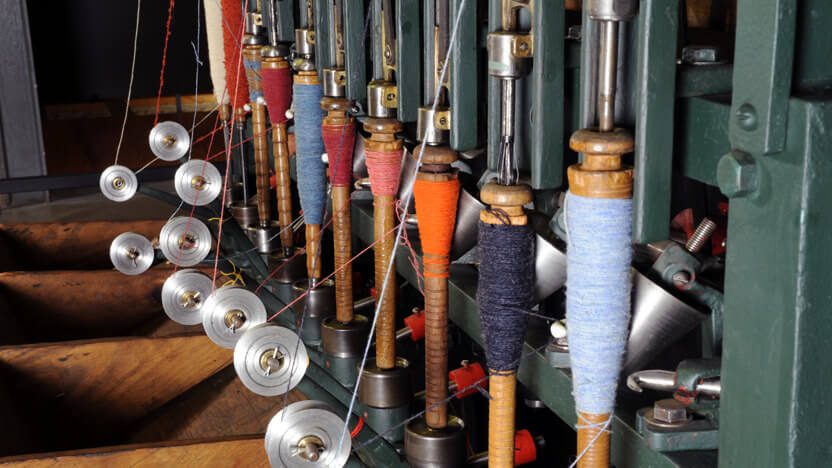


Cafés politiques et résistance antifasciste
Propriété de l'entrepreneur du secteur de l'hôtellerie et de la restauration Artur de Campos, le Café Montalto, situé au centre de Covilhã, était le lieu de rencontre de la bourgeoisie locale moyenne et aisée. C'était un lieu où se nouaient des relations et se concluaient des affaires, mais aussi un haut-lieu de la résistance politique contre la dictature.
Des réunions politiques se tenaient au Café Montalto, ainsi qu’au Café Solneve ou au Café Leitão, situés à proximité, où Ferreira de Castro écrivit son roman A Lã e a Neve, dont l’action se déroule à Covilhã.
Au Café Montalto, les personnes qui participaient à ces réunions antifascistes étaient en fait averties par les employés d'Artur de Campos que la redoutable police politique – la PIDE – était arrivée sur les lieux.
Dans une ville à l'histoire industrielle profondément enracinée – surnommée « le Manchester portugais » –, il n'est pas étonnant que Covilhã ait rapidement développé de très solides traditions démocratiques. Un bastion de liberté, de conscience politique et de citoyenneté engagée.