
The University of Coimbra has formed several generations of distinguished intellectuals within the Portuguese-speaking world.
Historical cafés of Coimbra
The most important historical cafes of Coimbra were: Café Central, A Brasileira and Café Santa Cruz. From all these iconic cafes, only Café Santa Cruz has remained, beautifully located at the heart of Coimbra downtown.
A symbolic location of the city as well as a meeting point for writers and intellectuals of Coimbra, Café Central was among the last historical cafes of Coimbra. This was the place that prestigious writer Miguel Torga alias Adolfo Correia da Rocha attended very often. Miguel Torga was a deep connoisseur of the Portuguese soul and he wrote some of Portugal's relevant novels. The City Hall of Coimbra has created the Museum-House Casa Miguel Torga, collecting the books of the author's personal library, as well as relevant personal belongings, such as his writing machine, photos, a pen and a stethoscope, since he was a doctor.
Café Brasileira, located in Rua Ferreira Borges, was one of the busiest and most distinguished historical cafes of Coimbra. Opened in 1921, this was a meeting point for freedom-loving writers, such as: Alberto Vilaça, António Arnaut. Augusto Nunes Pereira, Gonçalo Reis Torgal, Joaquim Namorado, Manuel Alegre, Mário Silva, Lousã Henriques, Miguel Torga, Paulo Quintela, Rui Pato, Vasco Berardo, Vitorino Nemésio and Zeca Afonso. This was a place of literary and political discussion, but also of conspiracy against the dictatorship of Salazar, where writers and intellectuals dreamt of a free democratic Portugal.
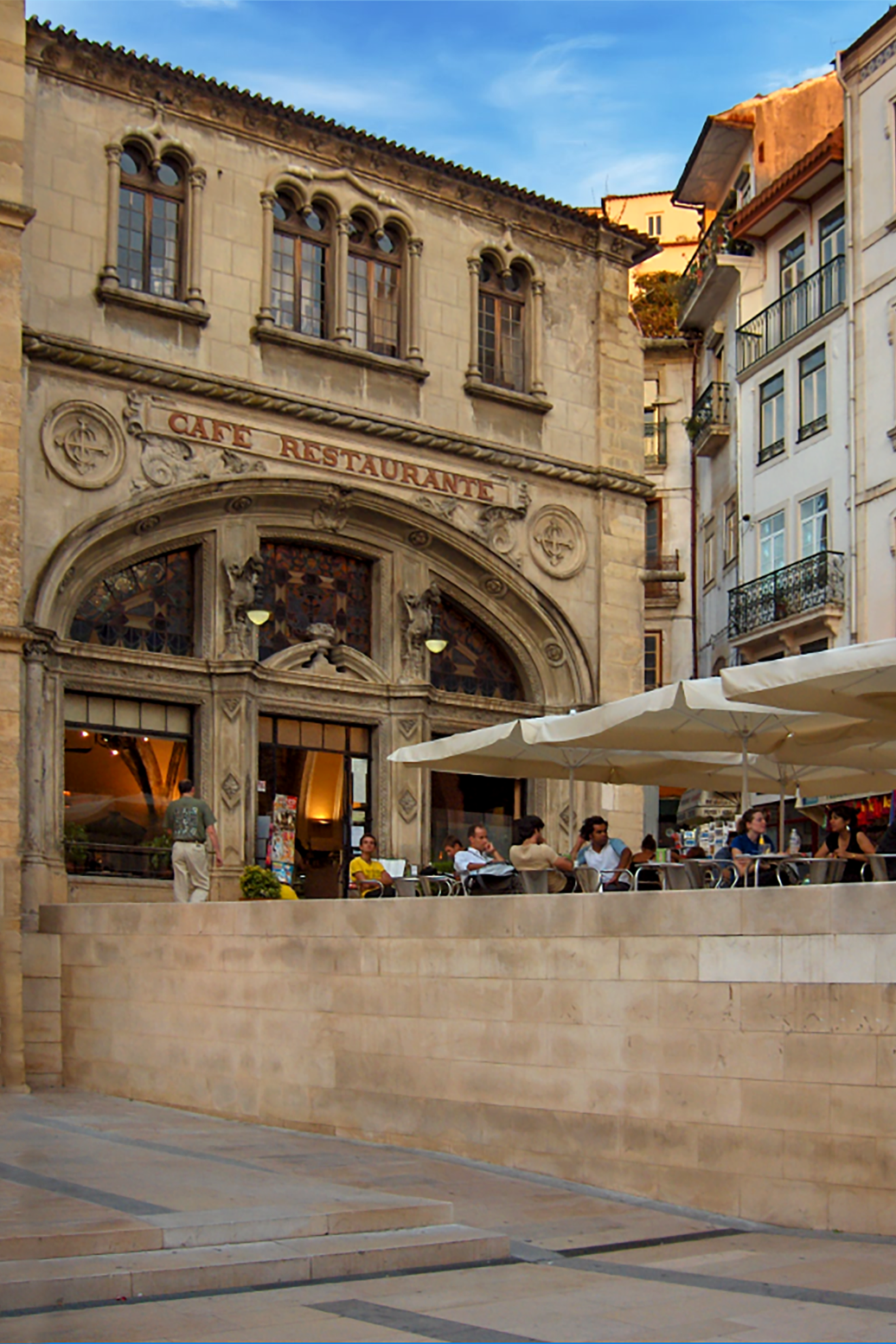
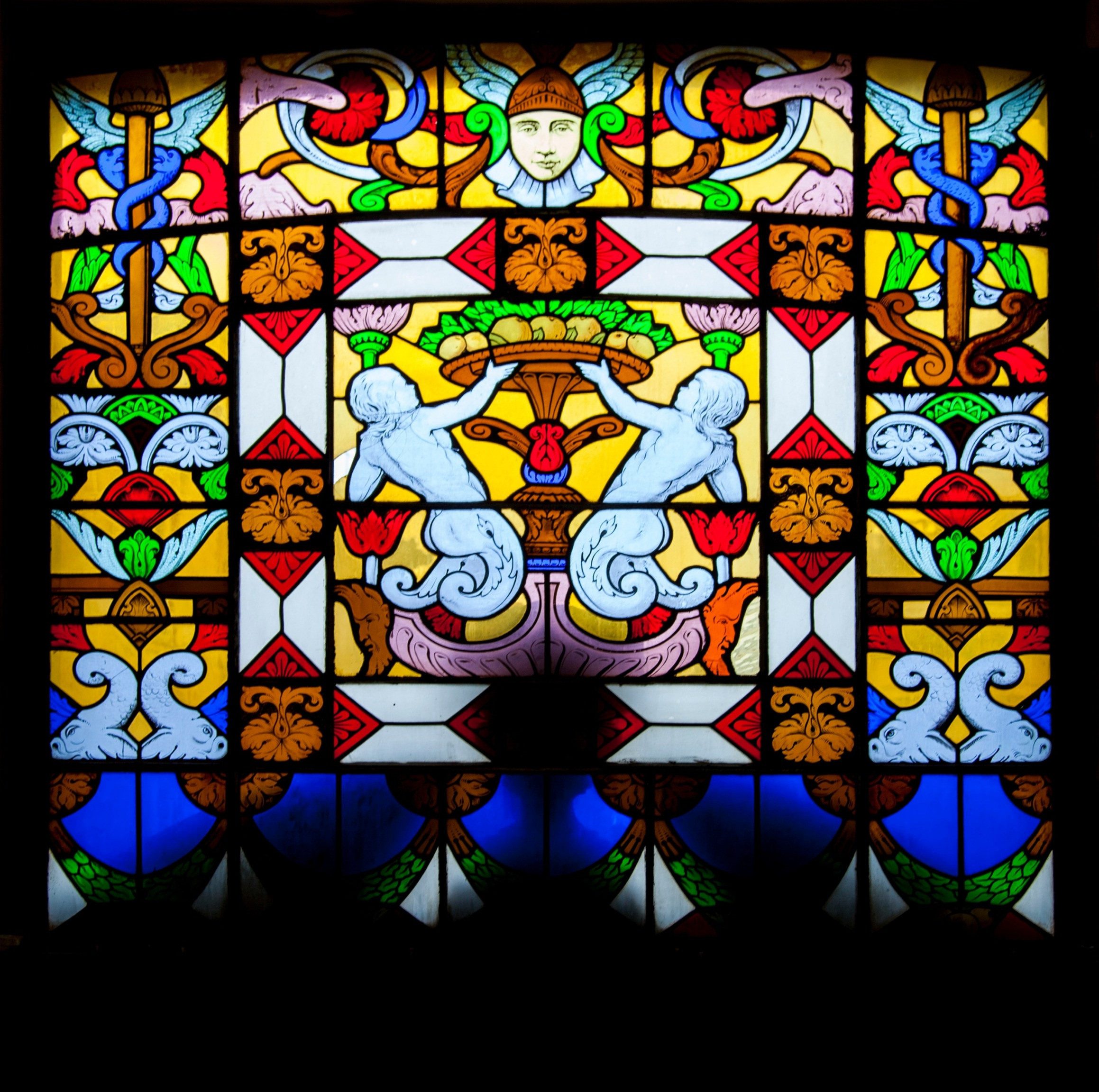
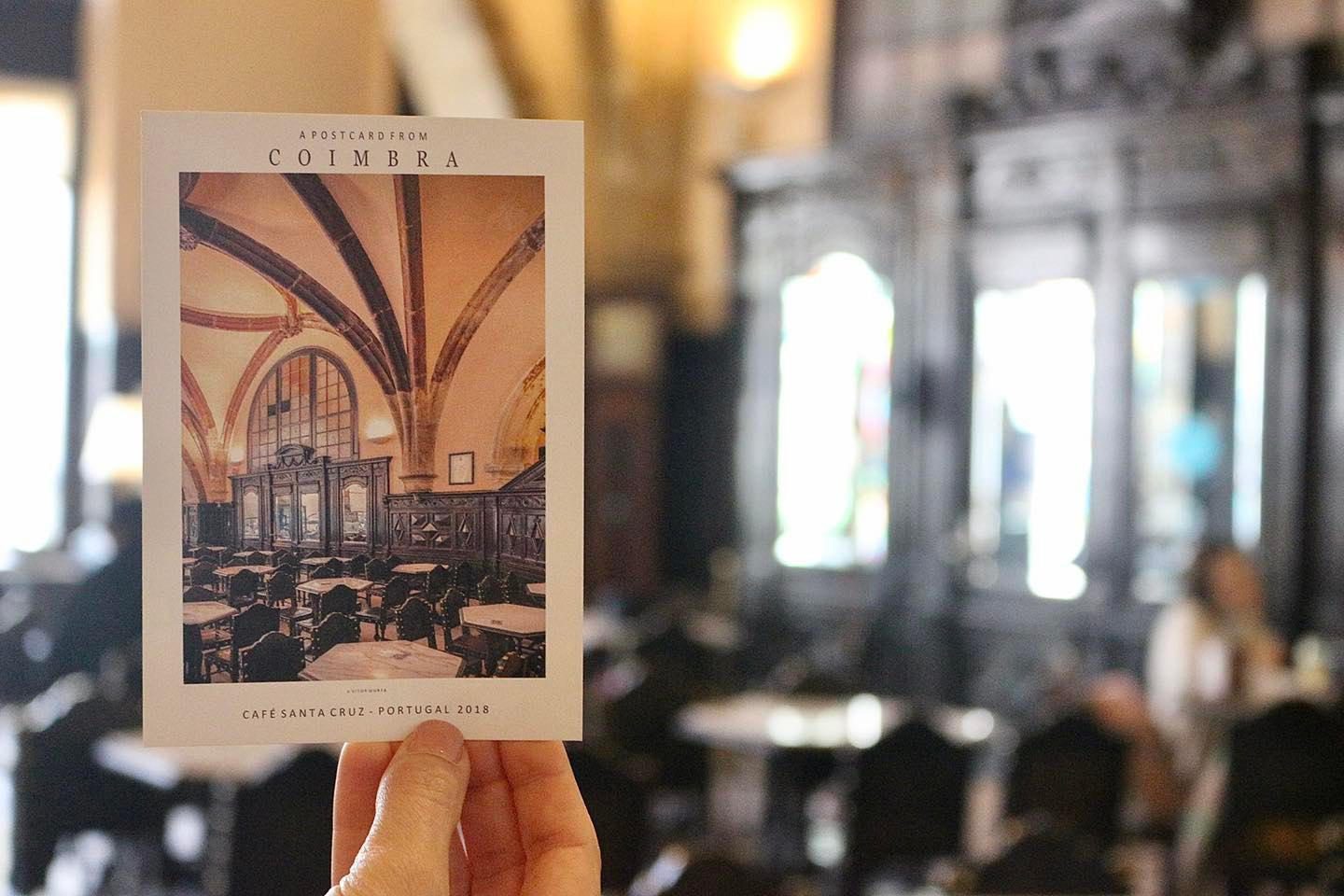
The remaining historical Café Santa Cruz, located in the central square Praça 8 de Maio, was officially opened with all pomp on May 8th 1923. Housed in a former church, this Manueline-style building built in 1530 has suffered many changes along the centuries. This enchanting historical cafe continues to be a culturally relevant spot of Coimbra, paying homage to its rich past of literary enlightenment. Café Santa Cruz organises several cultural events, such as book releases, live music shows or interesting chats with storytellers.
Literay places & faces of Coimbra
Miguel Torga
The doctor Adolfo Correia da Rocha aka Miguel Torga in the literary world moved to Coimbra in 1940. There is a sculpture board in Largo da Portagem signing the exact place of his medical office.
There are many places in Coimbra linked to the enduring memory of Miguel Torga.
Rua Ferreira Borges was street that Miguel Torga walked down thousands of times. It was here, at the gatherings in the cafés of Baixa – notably at the Central, and later at the Café Arcádia and the Brasileira – that, together with many friends, he tore down and rebuilt the world. Torga’s Coimbra is a Coimbra of restlessness. Of dreams ever in the making.
For decades, Café Arcádia was a meeting place for Miguel Torga, Fernando Vale, Amorim das Neves, Mário Braga Temido and others.
Presença Magazine
Presença –Revista de Arte e Crítica was one of the most influential Portuguese literary magazines of the 20th century. It was launched by José Régio, Branquinho da Fonseca and Gaspar Simões in Coimbra on 10 March 1927, and 55 issues were published before it ceased publication in 1940.
Over the course of its 13-year history, the publication has featured contributions from leading figures in Portuguese culture, including Edmundo de Bettencourt, António Navarro, Casais Monteiro, Miguel Torga, Irene Lisboa and João Gaspar Simões, amongst others.
The magazine is regarded as a key milestone in Portuguese modernism. In addition, the magazine played a vital role in introducing foreign authors such as Proust, Ibsen, Dostoevsky, Jorge Amado and Cecília de Meireles to the Portuguese public.
The "roaring twenties" must have been a remarkable time for the Presença generation. By the time Régio, Branquinho da Fonseca and João Gaspar Simões arrived in Coimbra, the first issue of Orfeu had already been published (1915), and the seismic shock wave caused by the jubilant liberation of the Orfeu authors’ words continued to send out aftershocks. Everything seemed possible at number 37 Rua das Flores in Coimbra, the house where Presença magazine was founded.
Presença was seen as a movement that was more critical than literary and libertarian. The time for commitments was approaching! But this remarkable generation left Coimbra and the country an undeniable legacy of modernism.
Generation of 70 (19th century)
Antero de Quental, Eça de Queirós, Guerra Junqueiro, Ramalho Ortigão and Teófilo Braga – the most celebrated names of the Generation of ’70 in Coimbra – lived in Coimbra through a vibrant era of ideas and ideals, and were, with the generosity and dreams characteristic of youth, the symbols of modern, open-minded European liberalism.
It was at the Sé Nova that Eça de Queirós claims to have seen Antero de Quental: “So… I unbuttoned my academic cape and sat down on a step, almost at Antero’s feet, as he spoke off the cuff, listening spellbound like a disciple. And that is how I remained for the rest of my life.”
Lapa dos Esteios forms part of the former Quinta das Canas estate, situated on the left bank of the Mondego. The Count of Quinta de Canas, a man sensitive to the generosity of youth, never minded that Lapa was a place of inspiration for students, poets, writers, melancholics, bohemians and even those suffering from lovesickness.
António Feleciano de Castilho, the poet and writer who brought fame to Lapa dos Esteios – a natural balcony overlooking the River Mondego – through the organisation of the Spring and May festivals, was also at the centre of one of the most significant literary controversies in Portugal and the greatest of the entire 19th century – the "Questão Coimbrã" - which left an indelible mark on what would become the Generation of ’70 and irreversibly shook the socio-cultural structures of Portugal.

Café Paraíso in Tomar
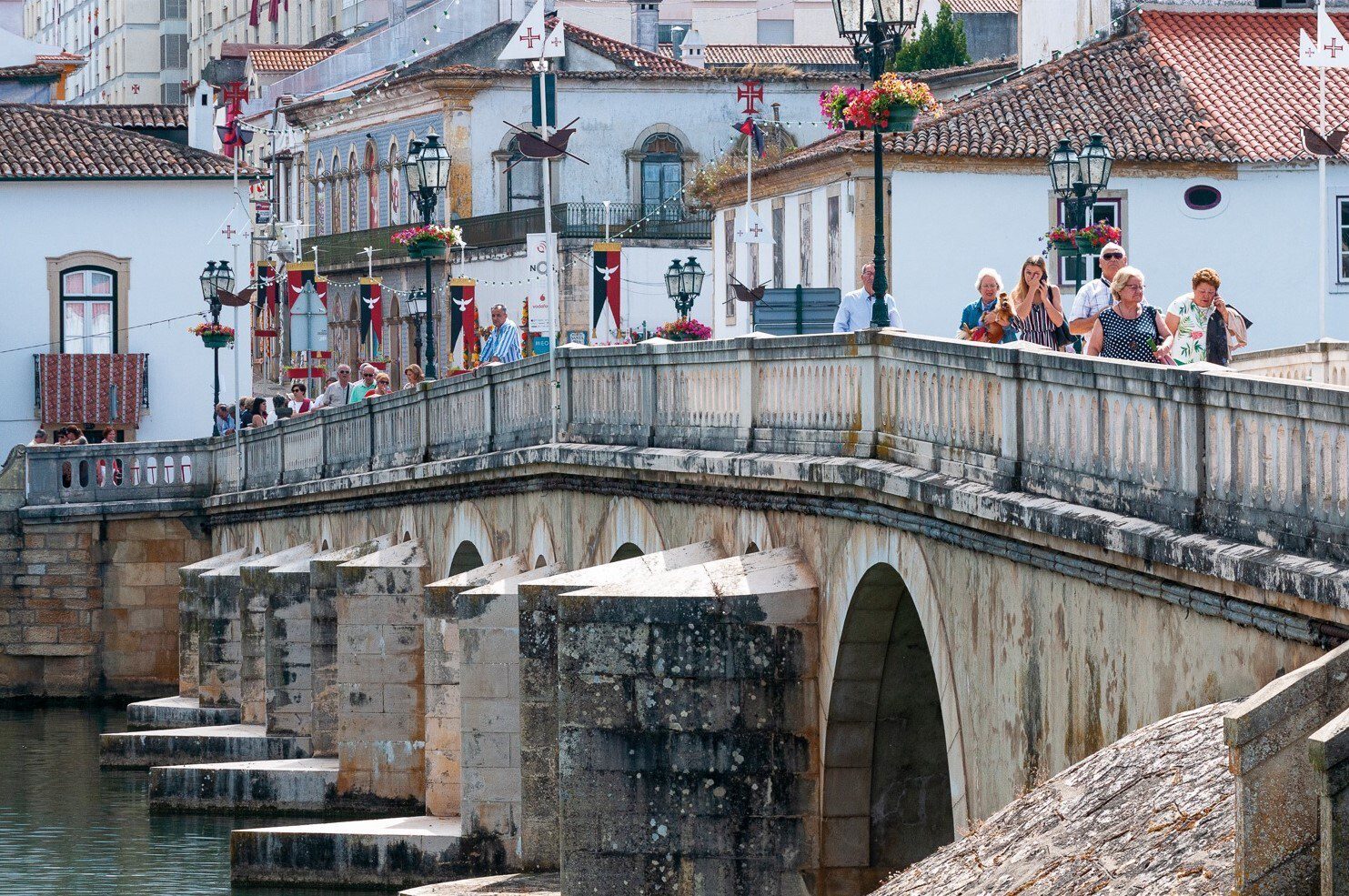
Café Paraíso is a must-see stop of Tomar, Portugal's Templar city. Located in Corredoura Street, this historic café, founded on May 21st 1911, offers its visitors a welcoming nostalgic ambiance and an attentive service.
‘I left Portugal and Tomar with my mind ablaze,’ says one of the characters in Foucault’s Pendulum, one of Umberto Eco’s most acclaimed books.
Umberto Eco visited Tomar in 1984, and Café Paraíso – which has been the town’s meeting place for over a century – featured, just like the Convent of Christ, on Umberto Eco’s itinerary. ‘If I could imagine a Templar castle, that is what Tomar was like,’ Umberto Eco would eventually write, describing Tomar as the ‘Navel of the World’ – L'ombelico del mondo.
The unrivalled charm of the past at the heart of the historical centre of Tomar. Locals say that Café Paraíso (Paradise) is a paradise in the morning, a purgatory in the afternoon and hell at night!


Óbidos Literary Town
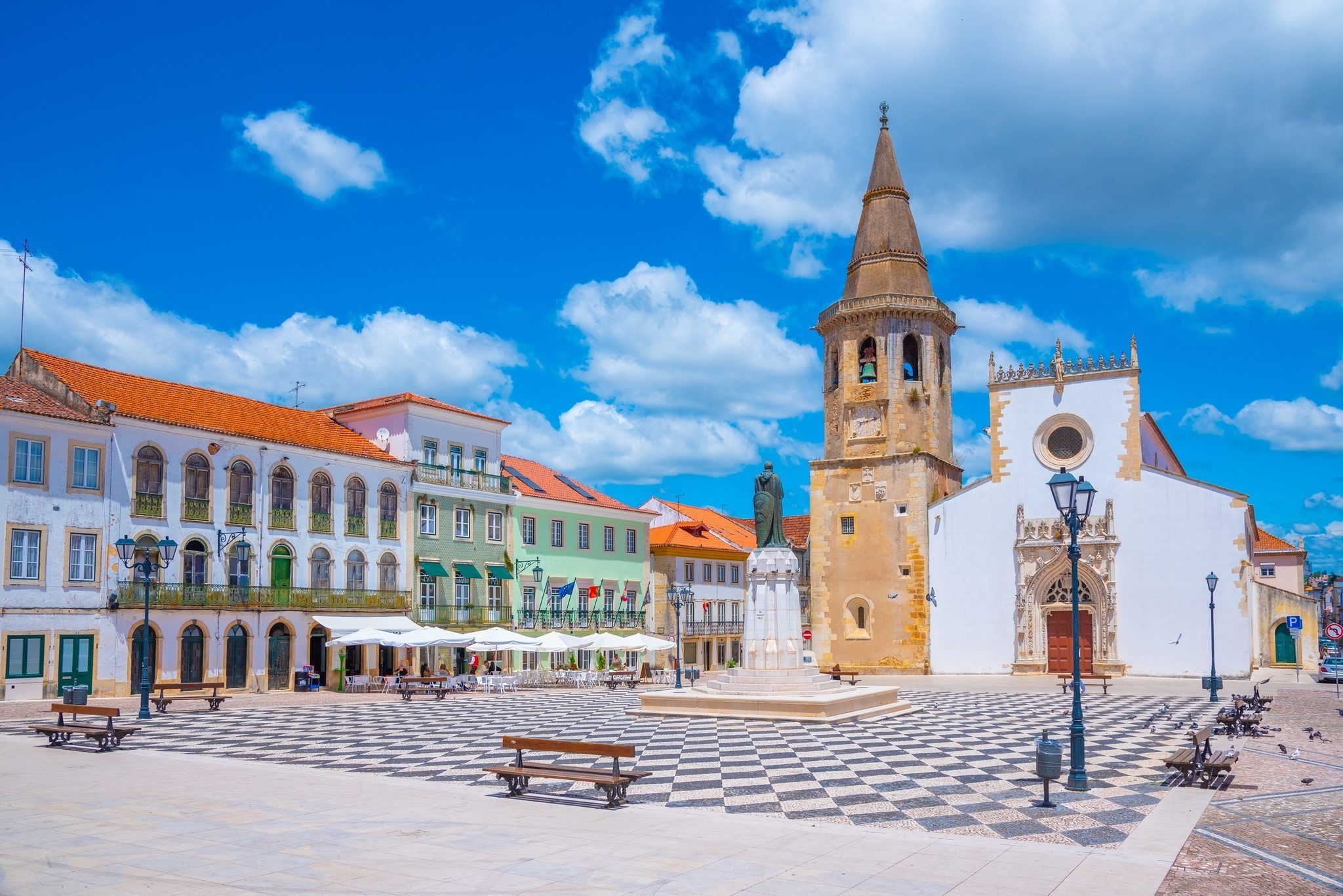
The project Óbidos Literary Town is an initiative of Óbidos City Hall and the book store Ler Devagar that began in 2013. The basic concept of this mind-blowing project was to convert unexpected places like a deconsecrated church, a wine cellar or a biological market into bookshops. We could definitely say that the whole town of Óbidos is a charming open-air bookshop. A place in the world that requires time and peace of mind to be fully read.
Since then the narrative of Óbidos evolved around books, bookshops and authors, so that in 2015 Óbidos was included in the list of UNESCO Creative Cities. It was also in 2015 that took place the first edition of FOLIO - Óbidos International Literature Festival. It soon became one of the most renowned literature festivals in Portugal.
Throughout a decade FOLIO - Óbidos International Literature Festival has brought together over 800 authors, Nobel Prize winners such as Svetlana Aleksiévitch or J. M. Coetzee, prestigious Portuguese-speaking writers, and also managed to create fruitful bonds with other countries.
2026 edition takes place from October 8th to the 18th. "Beyond the skin" is this year's theme.
Website


FLIV - Viseu Literary Festival
“Before it’s too late” is the theme of the first edition of FLIV, which takes place from 7 to 11 October in Viseu. The event aims to revive the Book Fair, showcase authors “made in” Viseu, and bring other figures from Portuguese-speaking, Italian and Spanish literature to the forefront of discussion and dialogue.
The programme will be announced soon, but the participation of authors from Portugal, Brazil, Angola, Guinea-Bissau, Cape Verde, Italy and Spain has already been confirmed. Authors “made in” Viseu are also guaranteed a place at the Festival, with particular emphasis on promoting and showcasing their literary work.
The historical centre of Viseu will be the focal point of this literary event. In total, more than 100 events are planned, including debates, book presentations and book launches, workshops, theatre, concerts, street performances, poetry readings and exhibitions.
07 - 11.10.2026
Website
Literary Festival "Em nome da terra"
The annual Literary Festival "Em nome da terra" aims to bring readers together through a programme which, centred on the written word, including conversations with writers, storytelling sessions, guided literary walks, visits to schools and chapels, literary dinners, music and theatre. Among the names already confirmed are leading authors such as Ondjaki, Ana Paula Tavares, Germano de Almeida, David Uclés, Patrícia Reis and Rui Couceiro.
There is room for celebrating renowned writers, but also for discovering young writers; emphasis is placed on portraying anonymous readers, on the education (and engagement) of children and young people, on the literary celebration of Virgil, on maintaining the tradition of literary gatherings, on fostering a close relationship between readers and their booksellers, and on writing in both the most established and the most everyday genres.
It takes place in the Mountain Village Melo, 45 km away from Guarda.
01 - 05.10.2026
Website


