Criado por sus tías, junto con sus hermanos gemelos, Vergílio Ferreira aprendió desde muy temprana edad el significado de la soledad y de las inquietudes interiores.
Cursó la enseñanza primaria en la antigua escuela masculina de Melo. A los doce años, tras una peregrinación a Lourdes, ingresó en el Seminario Menor de Fundão, donde estudió durante seis años. Esta experiencia le causó un gran sufrimiento y se convirtió, más tarde, en el tema central de su novela Manhã Submersa.
En 1932, abandonó el seminario y, en 1933, se matriculó en el Instituto Afonso de Albuquerque, en La Guarda. Más tarde, ingresó en la Facultad de Letras de la Universidad de Coimbra para estudiar Filología Clássica, sin dejar de dedicarse a la poesía.
En 1939, escribió su primera novela, O Caminho Fica Longe. Se licenció en Filología Clássica en 1940 y completó sus prácticas docentes en la Escuela Secundaria D. João III, en Coimbra. En 1942, comenzó a dar clases en Faro y publicó el artículo «¿Leyó Camões a Platón?» en la revista Biblos. En 1944, comenzó a dar clases en Bragança.
En 1946 se casó en Évora con Regina Kasprzykowski, profesora de Educación Visual de ascendencia polaca. Entre sus numerosas novelas y ensayos, publicó Manhã Submersa en 1954 y Aparição en 1959, año en el que comenzó a dar clases en el Instituto Camões de Lisboa.
Actividad profesional
Trabajó como profesor de portugués y latín en varios colegios de todo el país. El 3 de septiembre de 1979 fue condecorado con el grado de Gran Oficial de la Orden Militar de Santiago de la Espada.
En 1980, su novela «Manhã Submersa» fue adaptada al cine, y el propio Vergílio Ferreira interpretó uno de los papeles principales, el del rector del seminario.
En 1991 recibió el Premio Europalia en Bruselas por el conjunto de su obra literaria. En 1992 fue elegido miembro de la Academia de Ciencias de Lisboa y recibió el Premio Camões, el galardón literario más importante del mundo lusófono.
También ganó el Premio Femina en Francia con la novela Manhã Submersa y recibió en dos ocasiones el Gran Premio de Novela y Relato de la Asociación de Escritores Portugueses. La Facultad de Letras de la Universidad de Coimbra le concedió un doctorado honoris causa.
Vergílio Ferreira falleció el 1 de marzo de 1996 en su domicilio de Lisboa. De acuerdo con sus deseos, el funeral se celebró en su pueblo natal. Fue sepultado en Melo.
Una personalidad peculiar
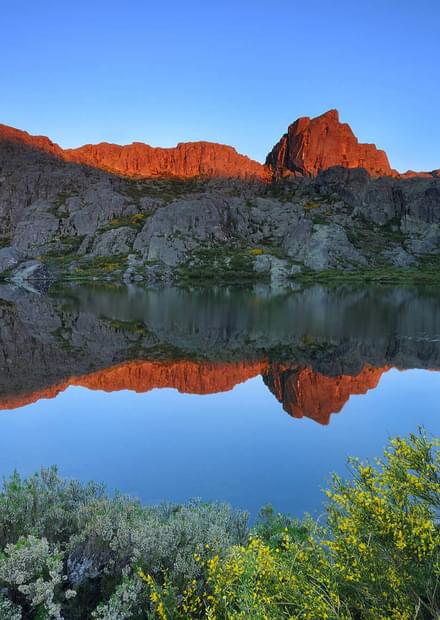
Vergílio Ferreira solía afirmar que, aunque físicamente no se parecía a una persona típica de la región de Beira, compartía algunas de sus características, especialmente la determinación y la perseverancia. También se sentía profundamente vinculado al paisaje de la Serra da Estrela, cuya soledad y nieve influyeron en la complejidad de su mundo interior.
Consideraba la escritura su destino, algo muy serio para él, que se convirtió en su misión en la vida. Por otro lado, detestaba que lo reconocieran en público, así como las cosas más mundanas del mundo. También prefería escribir a mano.


Casa Vergílio Ferreira - Para Sempre
Ningún recorrido dedicado a Vergílio Ferreira estaría completo sin una visita a la Casa Vergílio Ferreira - Para Siempre, situada en su pueblo natal, Melo. Un merecido homenaje a la magnitud de su obra literaria y filosófica.
Esta casa alberga una residencia artística, concebida para que creadores de diferentes ámbitos artísticos puedan planificar y desarrollar diversos proyectos artísticos, así como participar en iniciativas que los acerquen a las comunidades locales.
El festival literario «En nombre de la Tierra» se celebrará del 1 al 5 de octubre de 2026 en Melo.